Introduction
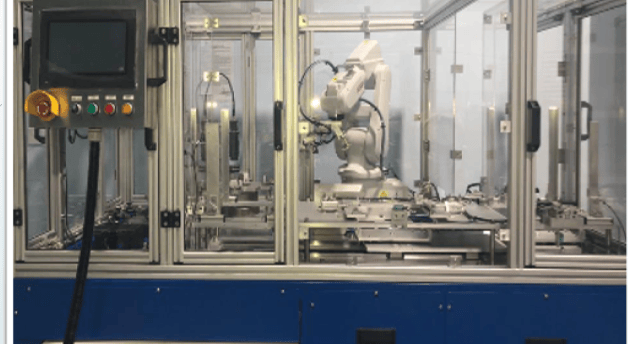
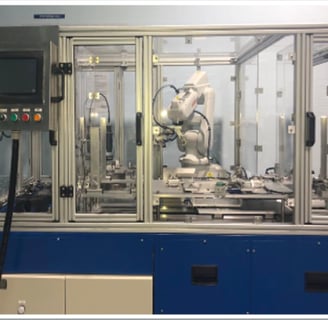
A degating machine is a specialized tool that plays a crucial role in the manufacturing process of molded plastic or metal parts. Its primary function is to remove excess material, known as gates, from these parts. This article will explore the significance of degating machines and how they contribute to the production of high-quality finished products.
What is a Degating Machine?
A degating machine is specifically designed to efficiently cut off gates from molded plastic or metal parts. These gates are the leftover material that connects the main part to the mold during the manufacturing process. Removing these gates is essential to achieve clean and precise finishes on the final products.
Customization and Efficiency
One of the key advantages of a degating machine is its ability to be tailored according to specific requirements. Manufacturers can customize the machine based on the size, shape, and type of gates present in the parts. This customization ensures that the degating process is optimized for each unique product, resulting in consistent and high-quality finishes.
Moreover, degating machines are equipped with advanced features and adjustable settings, allowing for flexibility and accuracy. These machines can be programmed to cut gates at precise angles and depths, ensuring that the excess material is removed without damaging the main part. This level of precision is crucial in industries where quality control is paramount.
Benefits in Manufacturing Industries
Degating machines are highly valued in manufacturing industries where the production of flawless finished products is essential. By using a degating machine, manufacturers can achieve consistent results, reducing the chances of human error and ensuring uniformity across the production line.
Furthermore, the use of degating machines improves overall productivity. These machines can remove gates at a faster rate compared to manual methods, saving valuable time and increasing efficiency in the manufacturing process. This time-saving aspect allows manufacturers to meet tight deadlines and fulfill customer orders promptly.
Additionally, the use of degating machines enhances workplace safety. By automating the degating process, workers are less exposed to potential hazards associated with manual cutting tools. This not only reduces the risk of accidents but also improves the overall well-being of the workforce.
Conclusion
In conclusion, degating machines play a vital role in the manufacturing industry by efficiently removing excess material from molded plastic or metal parts. Their customization options, advanced features, and ability to enhance productivity make them indispensable tools for achieving high-quality finished products. By investing in degating machines, manufacturers can ensure precision, consistency, and workplace safety, ultimately contributing to the success of their operations.